
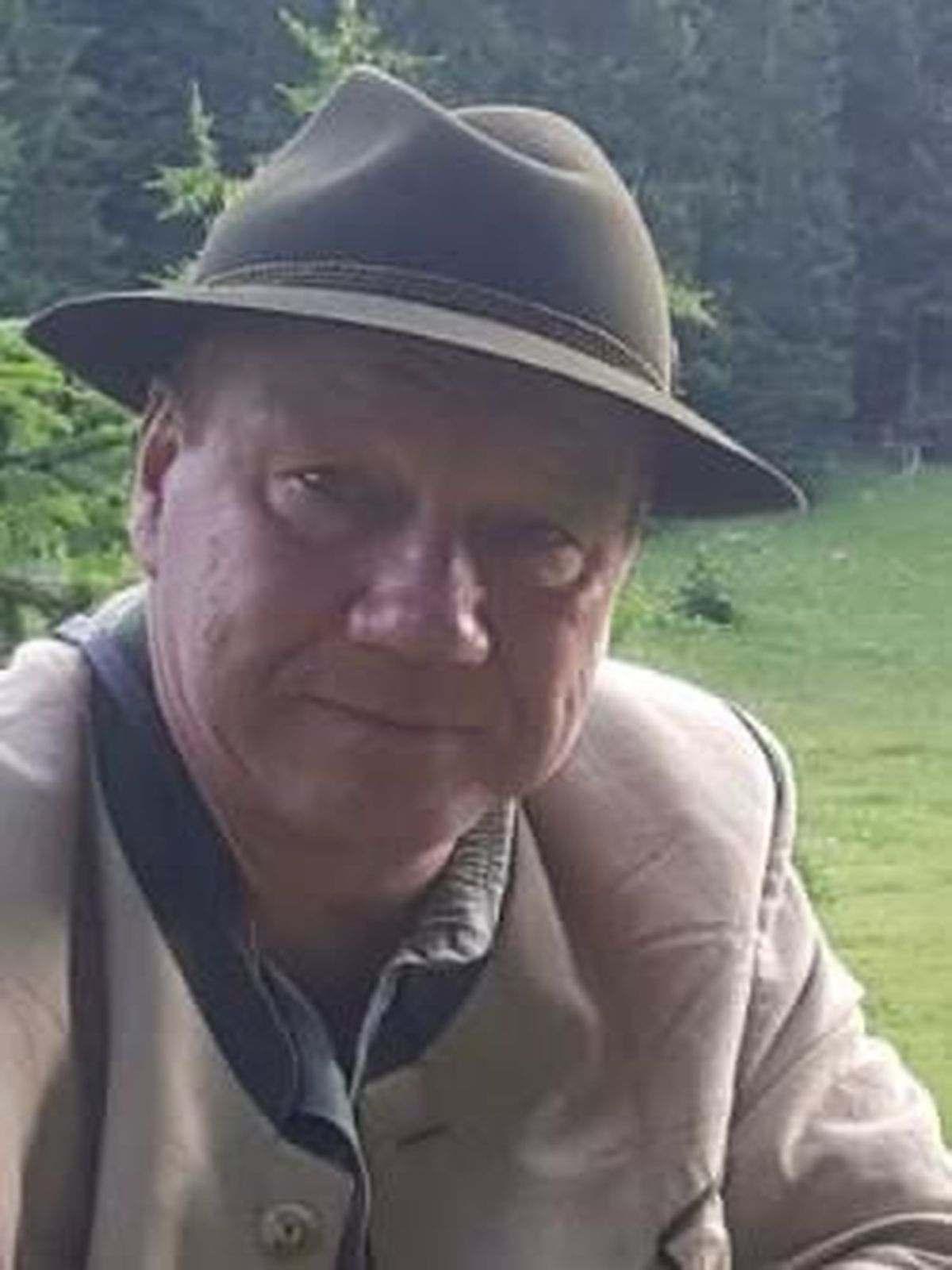
1st local hunting group leader
The hunting community in Berching: contacts, hunting grounds and links to Jägerverein Berching-Dietfurt e.V.
Our Berching local hunting group comprises 16 hunting grounds. Here you’ll find your contacts, an overview of the hunting grounds and the latest published browsing damage report. For us, cooperation between landowners and hunters comes first.
1st local hunting group leader
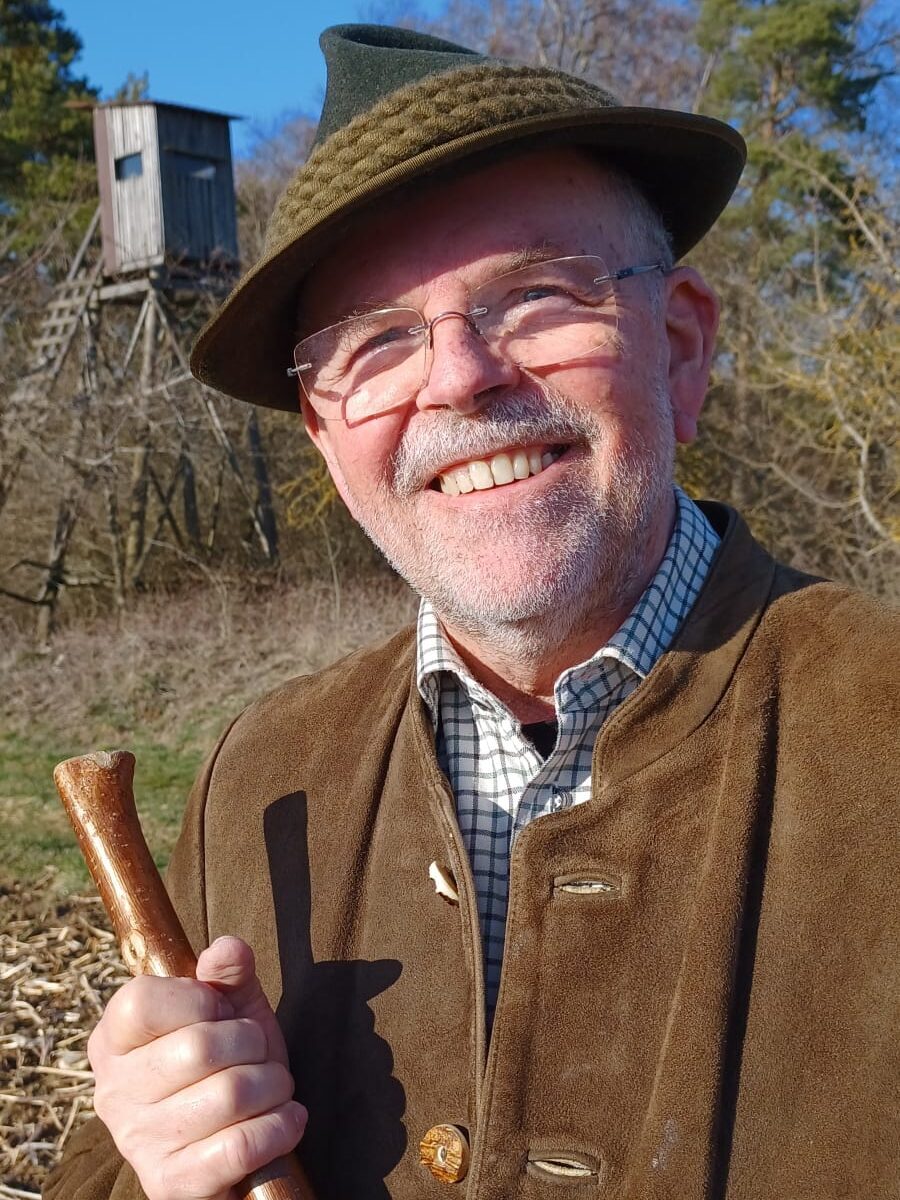
2nd local hunting group leader
The local hunting group leader is your first point of contact for communication between the hunting grounds and matters concerning the local hunting group. We will pass on your enquiry through the association’s contact.
Contact the local hunting group leadership →These 16 hunting grounds belong to the Berching local hunting group. Together, we take responsibility for local wildlife and habitats.
The overall assessment is acceptable. The report also points to continued browsing pressure on valuable broadleaf trees and differences between hunting grounds.
We recommend discussing the results with woodland owners and forestry staff in the hunting grounds. The overall assessment applies to the hunting management association; individual hunting grounds may differ.
Green indicates the official categories “favourable” or “acceptable”; red indicates “too high” or “significantly too high”. The traffic-light indicator summarises the assessment; the exact wording is shown alongside it. It shows the 2024 report year and is not a live measurement.
Source: AELF Amberg-Neumarkt, 2024 report, Hegegemeinschaft 340, summary on PDF page 3. The forestry recommendation does not replace an official cull determination.
The forestry districts responsible can help with questions about managing your woodland. Their boundaries are based on the municipality and do not correspond to those of the local hunting groups.
For woodland areas in Berching, Mühlhausen and Freystadt.
Office: 09621 / 6024-3065
Contact details: AELF Amberg-Neumarkt – forestry districts in Neumarkt district ↗.
The municipality mapping is intended as an initial guide. Please check with the forestry administration who is responsible for the specific woodland area, particularly state forest.
We take the impact of game on forest regeneration seriously. Our aim is for young trees of different species to grow and for our game to continue to find a healthy habitat in the future.
Browsing damage cannot be explained by wildlife density alone. Assessing the specific area is key: the available forage, the distribution of wildlife and the proportion of tree species vulnerable to browsing all need to be considered together. The site, light availability and silvicultural management are also important to the development of forest regeneration. The traffic-light rating describes the official assessment of the impact of wildlife; it is not a count of the wildlife population.
The conversion to site-appropriate, climate-resilient mixed forests is essential to us. Adapted hunting, promoting a variety of tree species and suitable forestry measures all need to work together to achieve this.
Local cooperation between landowners and hunters is our top priority. We recommend joint inspections of the hunting grounds with the responsible forestry staff: review regeneration, agree on objectives and regularly check the agreed measures.
LWF: Mixed stands in the Upper Palatinate Jura – browsing damage, light management and maintenance ↗. The association’s position supplements the official assessment; its wording and cull recommendation remain unchanged above.
The events calendar lists the association’s published dates. Use the category filter to search for Hegering Berching.